
Why misconceptions about women in the justice system persist
It is easy to form an opinion about someone’s circumstances based on a single fact, without knowing what led there. Women involved with the criminal justice system are often judged this way, viewed through one moment or one decision, rather than the wider context that shaped it.
Sometimes the question is not “Why did she make that choice?” but “What was happening around her at the time?” Understanding that difference matters, because it changes how support is offered, and how communities respond.
Common misconceptions, and why they don’t tell the full story
Some assumptions about women in the justice system come up again and again. Looking at them more closely usually reveals a far more complicated picture than the assumption suggests.
“She chose this”
There is rarely one simple explanation behind someone’s circumstances. Trauma, domestic abuse, poverty, housing instability, mental wellbeing, substance use and exploitation all play a part for many women, often several at once. Recognising this is not about removing personal responsibility, but about understanding that choices are rarely made in a vacuum.
“She just needs to try harder”
This assumes that effort alone can overcome circumstances such as unstable housing, past trauma or ongoing exploitation. In reality, without the right support addressing these underlying issues, effort on its own is rarely enough to create lasting change.
“She is a risk to be managed”
Reducing someone to a risk overlooks the person behind it, along with the strengths, relationships and hopes that remain part of who they are. Trauma-informed support recognises the whole person, not just the circumstances that brought her into contact with the justice system.
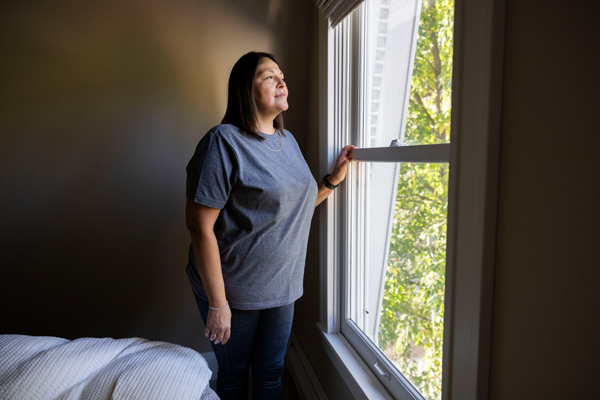
Understanding the context behind someone’s circumstances
Many women in contact with the justice system have experienced domestic abuse, exploitation or other trauma, sometimes well before any involvement with services began. These experiences shape how someone responds to authority, uncertainty and support that feels unfamiliar.
Housing instability, financial hardship and disrupted family relationships often sit alongside this. None of these factors excuse harm, but understanding them is essential if support is going to address what is actually happening in someone’s life, rather than the version that looks simplest from the outside.
Why language and understanding matter
The way women in the justice system are described in everyday conversation affects how they are treated, and how willing they may be to seek support in the first place. Labels that focus purely on someone’s involvement with the justice system, rather than the person behind it, can make it harder for someone to engage with the help available.
Using person-first language, and taking the time to understand context rather than assume it, is a small change that makes a meaningful difference to how supported someone feels.
What this means for women, and for communities
Women are more than the circumstances that brought them into contact with the justice system. Challenging misconceptions is not about excusing harm, it is about understanding it well enough to respond in a way that actually helps.
For communities, a better understanding of these issues supports more effective, joined-up services, and reduces the stigma that can stop women from asking for help. Support works best when it starts from understanding, not assumption.
Frequently asked questions
There is rarely one simple explanation. Trauma, domestic abuse, poverty, housing instability and exploitation often play a part, meaning choices are rarely made without wider context.
No. Understanding context is about responding effectively, not removing personal responsibility. It helps support actually address what is driving someone’s circumstances.
Labels that focus only on justice involvement, rather than the person, can make it harder for someone to engage with support. Person-first language helps protect dignity and encourages engagement.
NDND provides trauma-informed, women-centred support that recognises the whole person, and works alongside local organisations, Police and Probation to address underlying needs.
If you would like to find out more about NDND’s approach, or how we support women in the justice system,
get in touch with our team.